
Enhancing the capacity of frontline health professionals is a core strategy for strengthening community-based TB prevention and control in high-burden urban settings.
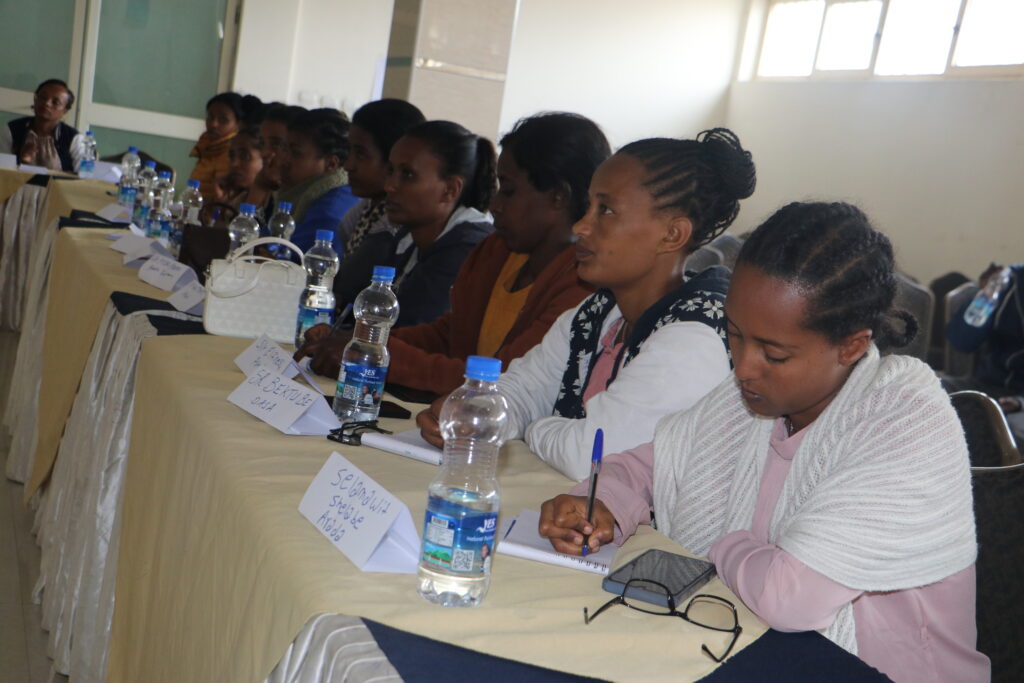
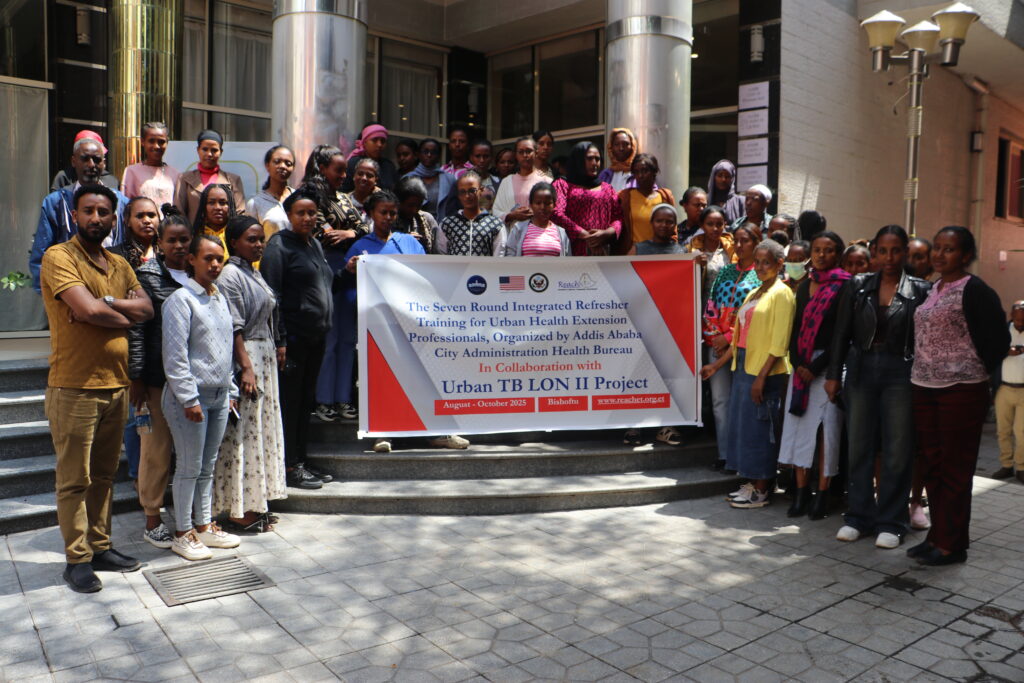
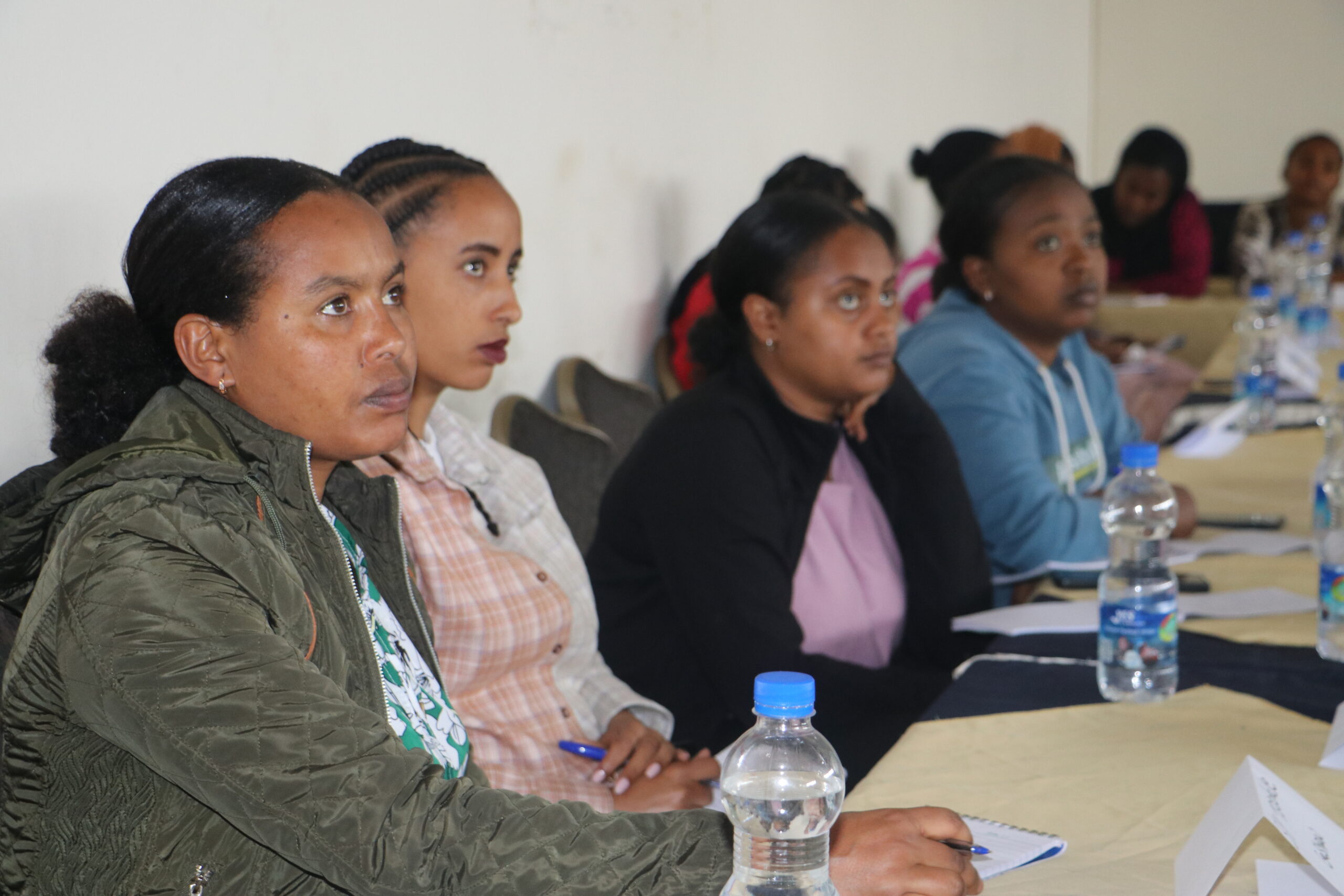
To this end, the Addis Ababa City Administration Health Bureau, in collaboration with the Urban TB II project, conducted a significant capacity-building initiative. Across seven rounds of training, they equipped 448 Health Extension Workers (HEWs) from all sub-cities of Addis Ababa with the essential knowledge and skills needed to combat TB at the community level.
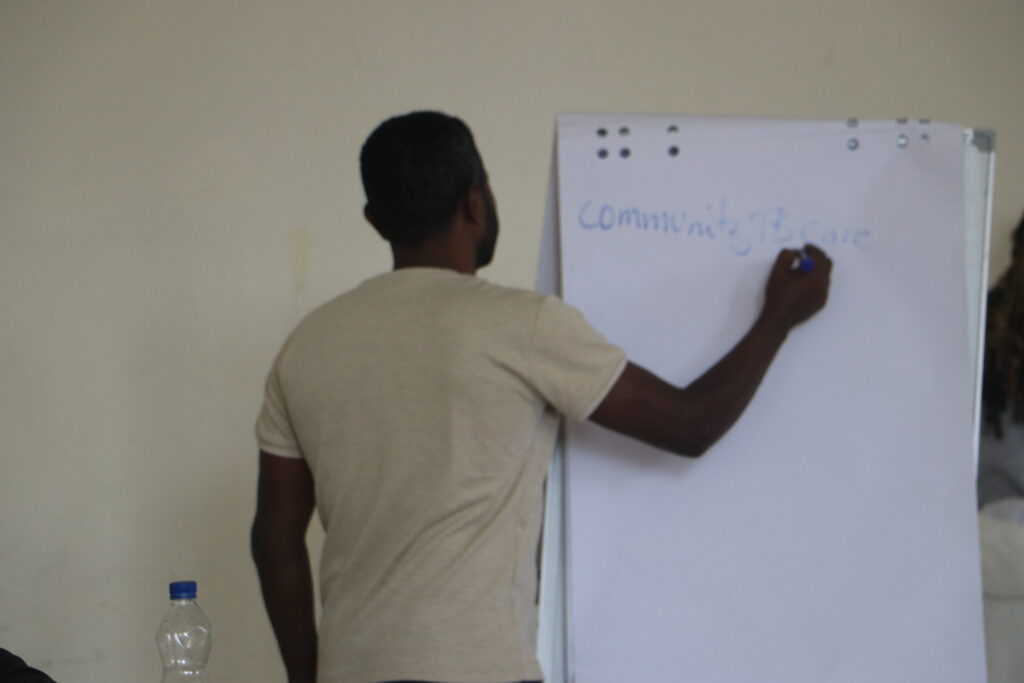
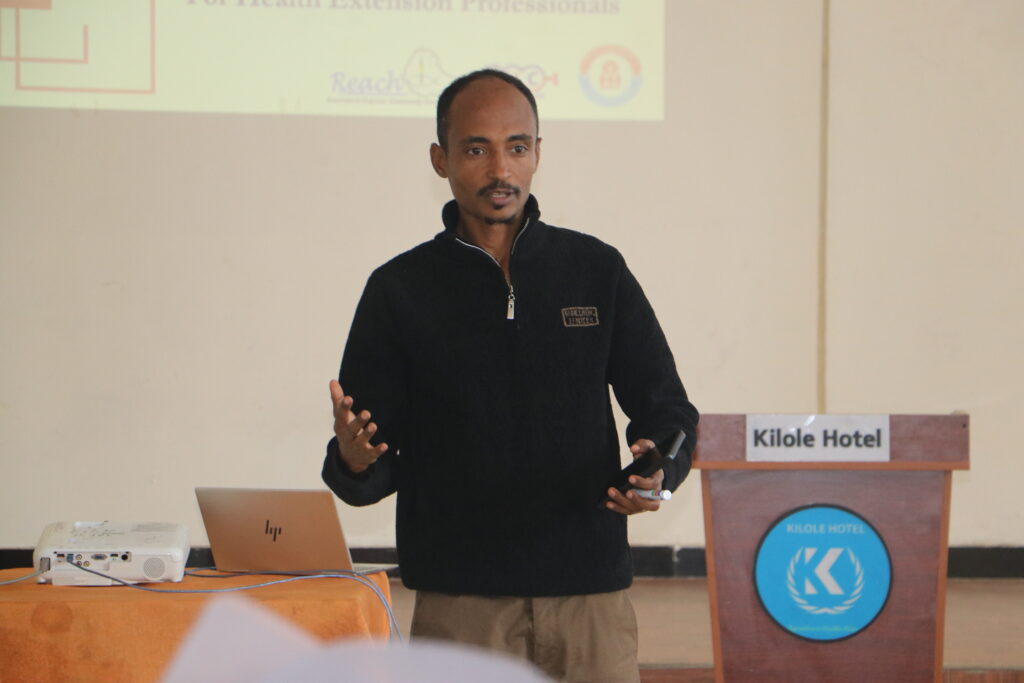
This comprehensive training program focused on empowering HEWs to carry out critical community-based TB activities, including:
🗣️ Community Engagement: Creating TB awareness and leading social mobilization.
🔍 Case Identification: Identifying and referring individuals with presumptive TB.
👨👩👧👦 Contact Management: Conducting TB contact tracing and investigation at household and community levels.
💊 Treatment Adherence: Providing Community-Based DOT (Directly Observed Treatment) and treatment follow-up.
📞 Retrieval: Tracing and retrieving treatment absentees, interrupters, and individuals lost to follow-up.
🛡️ Prevention: Supporting the community-based delivery of TB Preventive Therapy (TPT).
· Infection Control: Promoting TB infection control practices at community and household levels.
📝 Data Management: Ensuring accurate recording and reporting on community-based TB Care activities.
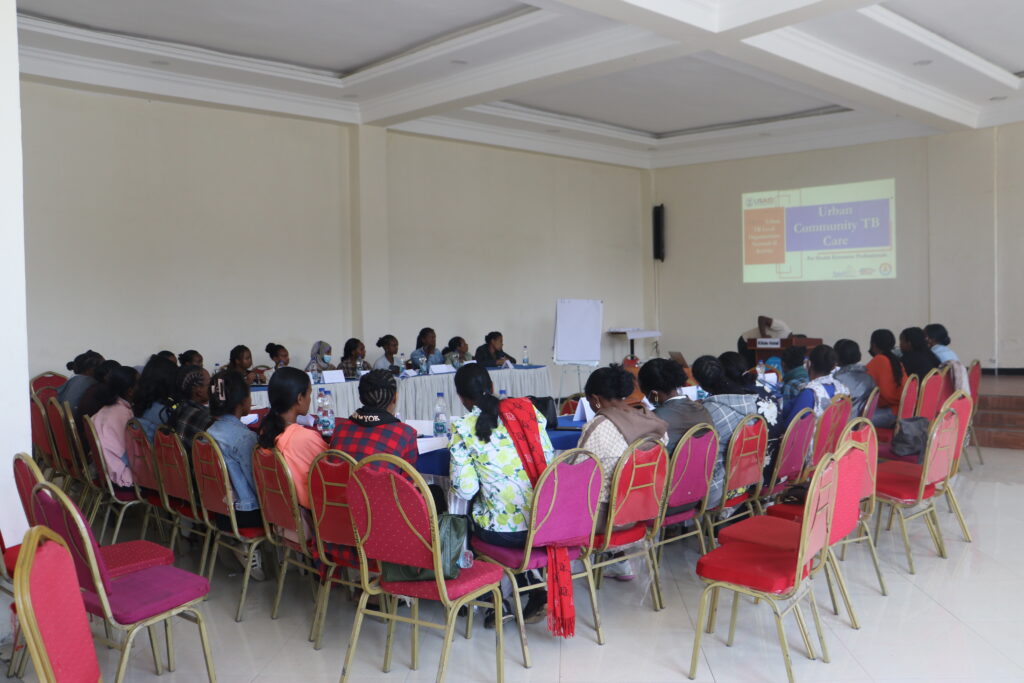
By empowering these community health workers, the partnership aims to significantly increase the TB case notification rate, reduce treatment dropout, and ultimately lower disease transmission. This effort is particularly focused on reaching key affected and hard-to-reach populations who often contribute to the burden of missed cases, with the ultimate goal of saving lives.