
In Ethiopia, TB remains one of the public health challenges, with approximately 510 people falling ill and 52 losing their lives to the disease every day. A significant proportion of TB cases particularly among children go missed or unnotified due to diagnostic delays, challenges in obtaining respiratory samples & gaps in testing quality.
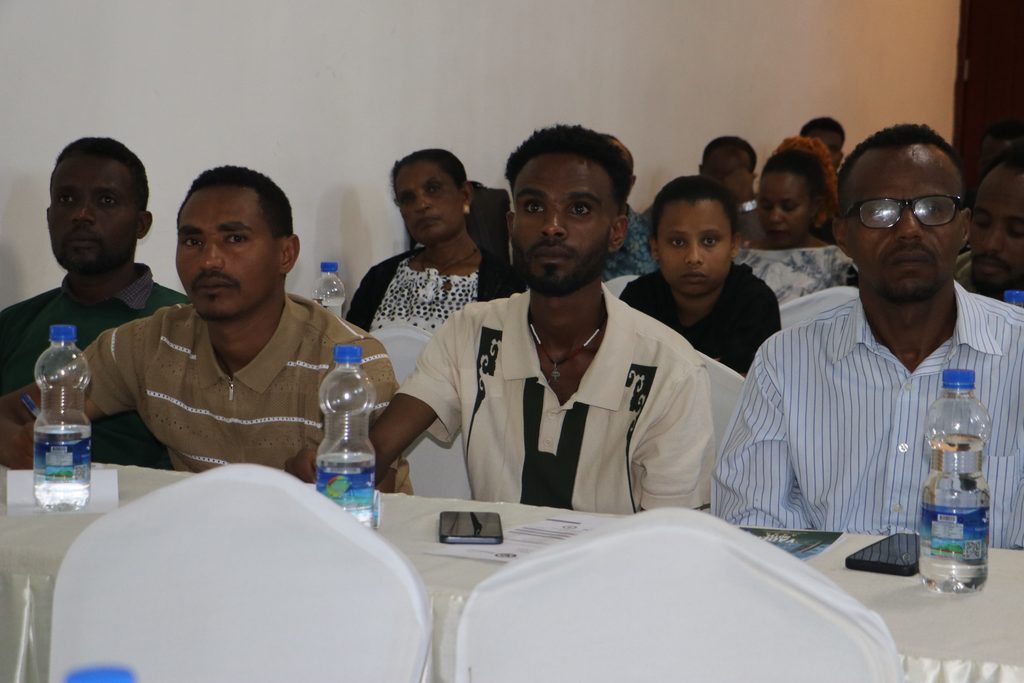
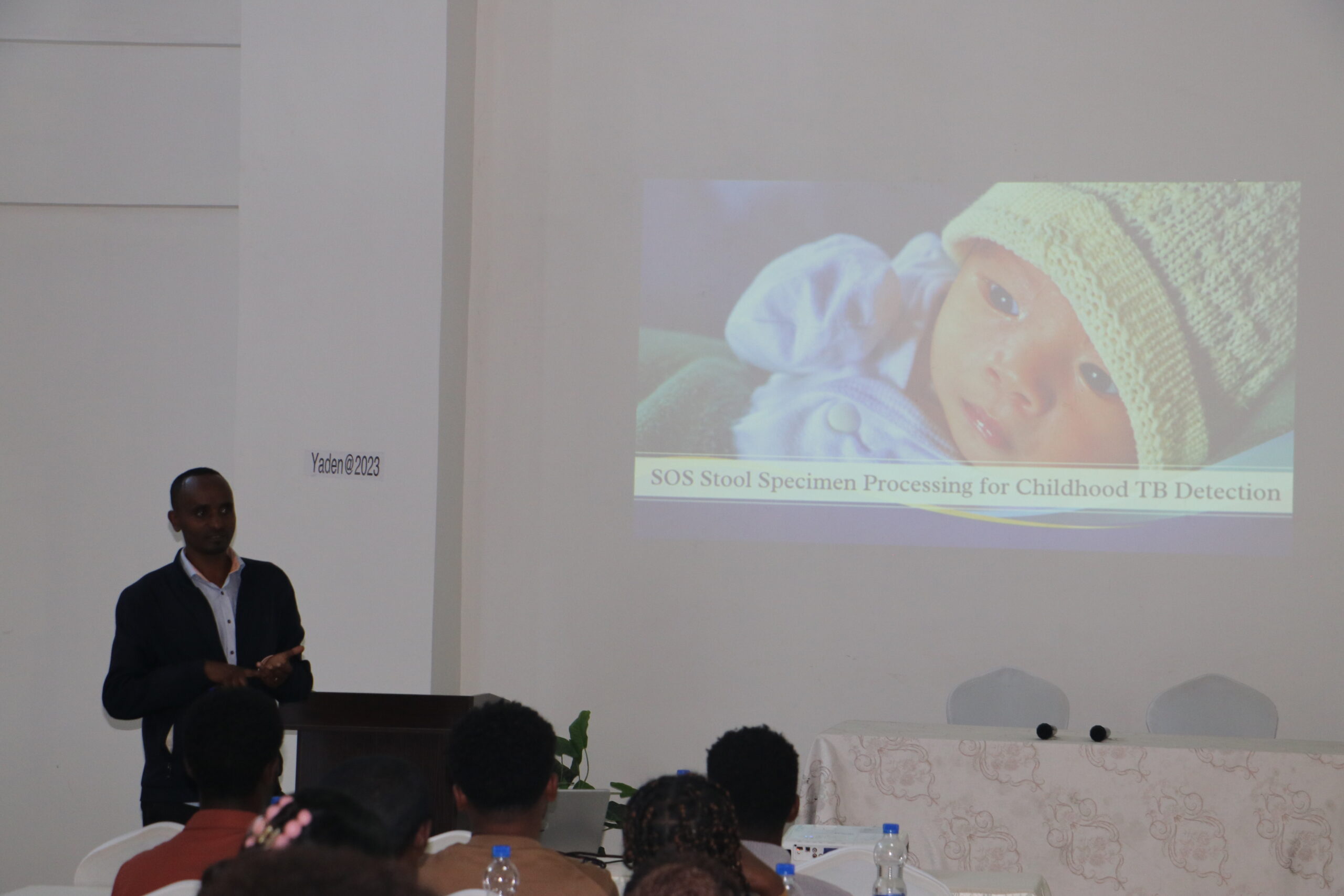
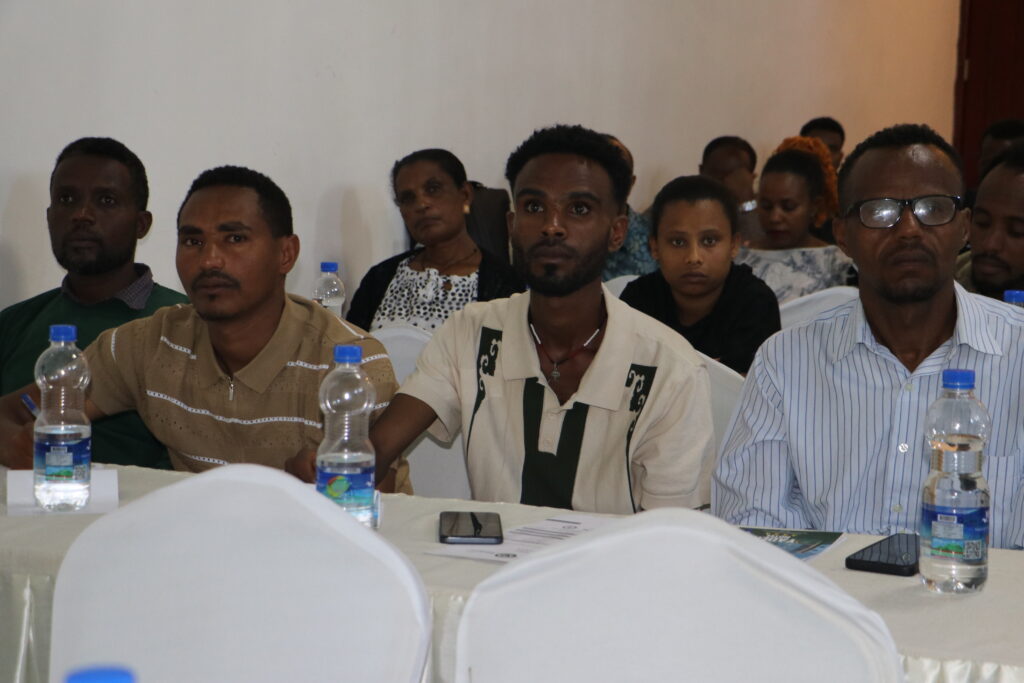
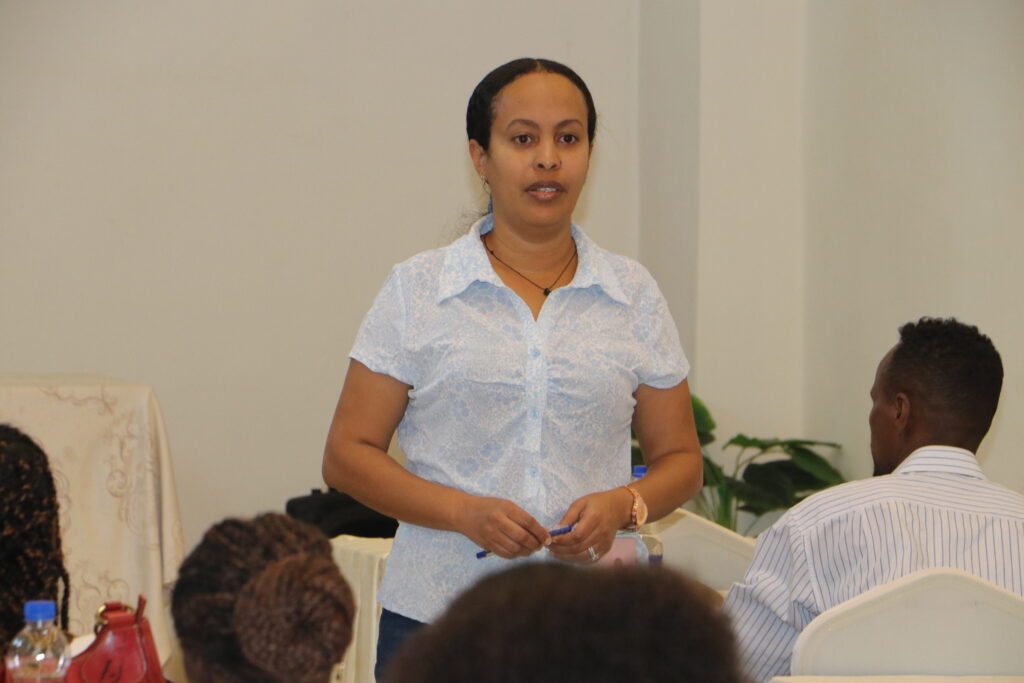
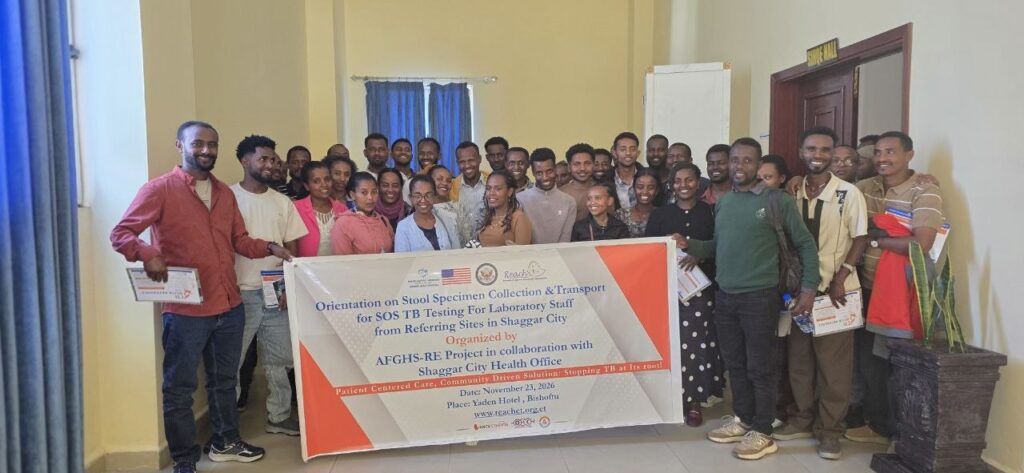
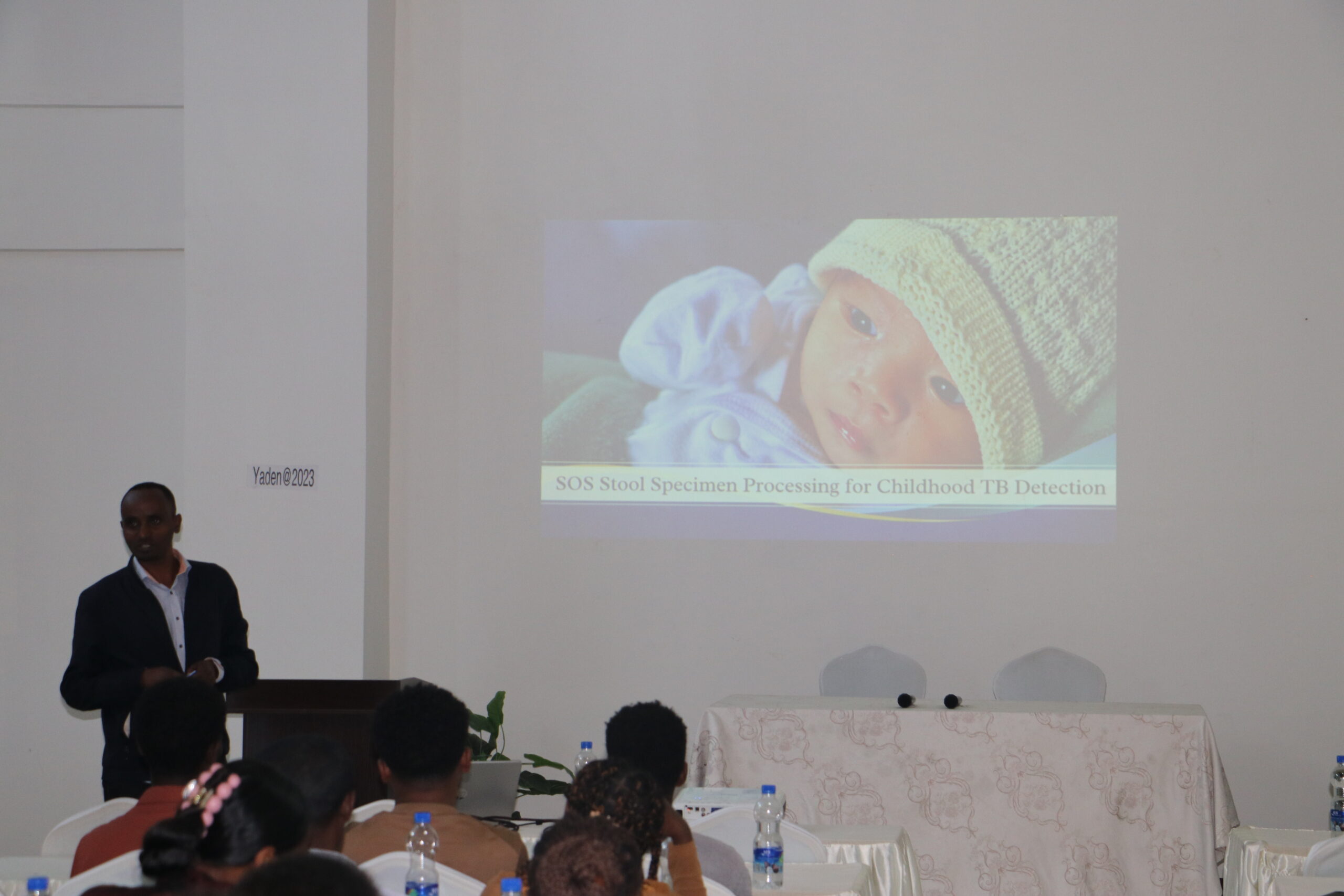
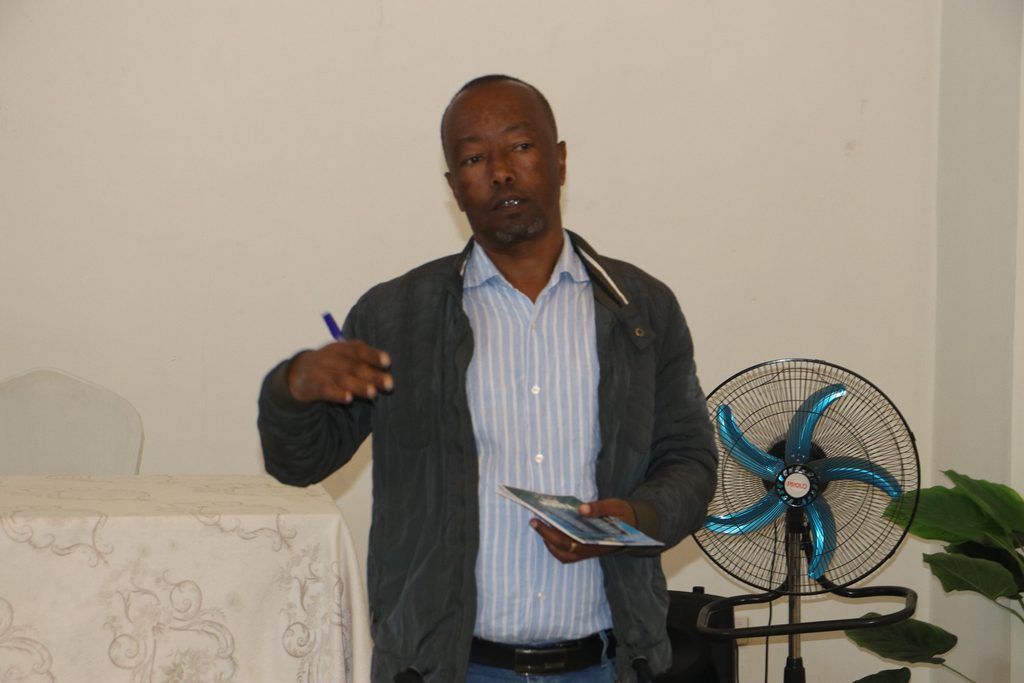
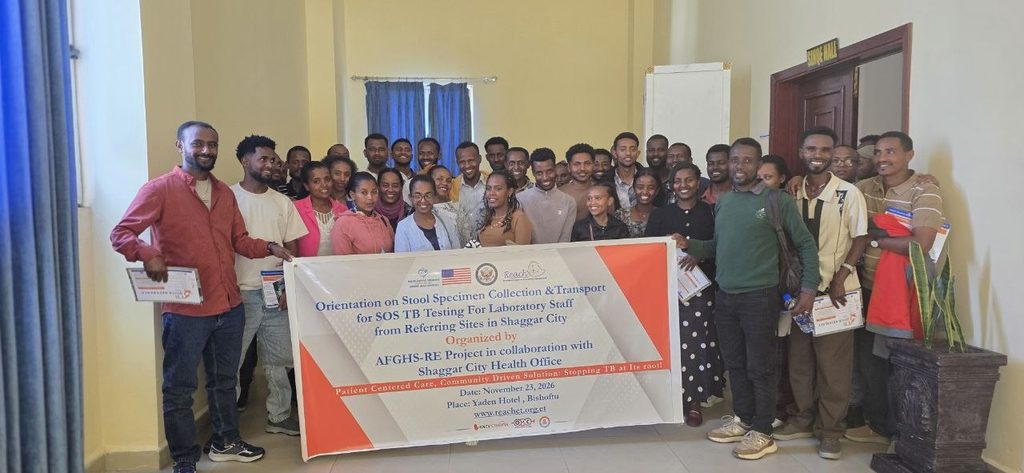
To address these barriers, REACH Ethiopia, through the U.S. Department of State-funded America First Global Health Strategy (AFGHS-RE) Project in collaboration with the Shaggar City Health Office, conducted a targeted orientation today for laboratory professionals from referring health facilities across Shaggar City on Stool Specimen Collection and Transport for Simple One-Step (SOS) TB Testing.
Advancing Child-Friendly, WHO-Recommended Diagnostics
Recommended by the World Health Organization (WHO) as a non-invasive primary diagnostic specimen for rapid molecular testing in children, stool-based testing provides a vital, child-friendly, and cost-effective alternative for pediatric patients who are often unable to produce sputum.
By utilizing the Simple One-Step (SOS) stool processing method for GeneXpert testing, health facilities can significantly expand access to accurate bacteriological confirmation of TB in children without requiring specialized equipment or invasive procedures.
Overcoming Key Laboratory and Referral Bottlenecks
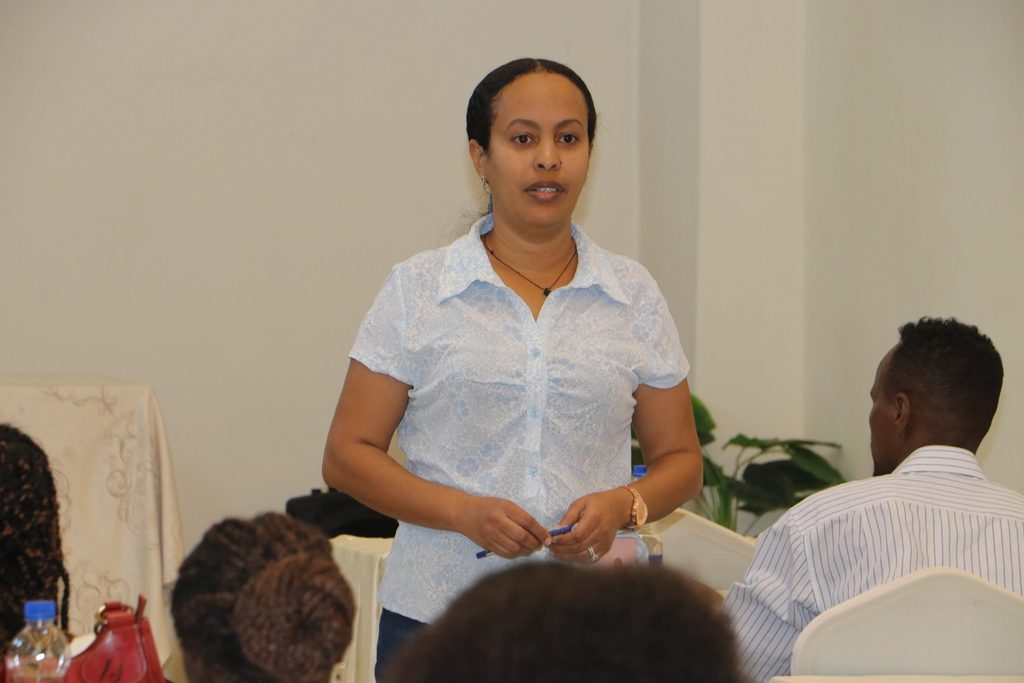
The orientation focused on building the practical capacity of frontline laboratory staff in proper specimen collection, safe handling, triple packaging, cold-chain transportation, and accurate documentation. By standardizing these workflows across referring sites in Shaggar City, the initiative directly tackles persistent operational bottlenecks, including:
- High rates of specimen rejection and delayed laboratory result delivery
- Underutilization of stool-based TB testing across primary health care facilities
- Weak sample referral linkages and incomplete data recording and utilization
Strengthening Health Systems to End TB
Equipping frontline laboratory teams with standardized skills and clear referral protocols ensures timely diagnosis, accelerates treatment initiation, and interrupts ongoing TB transmission within communities. Through close partnership with regional and city health offices, REACH Ethiopia continues to strengthen diagnostic networks and advance national efforts toward ending TB in Ethiopia.