
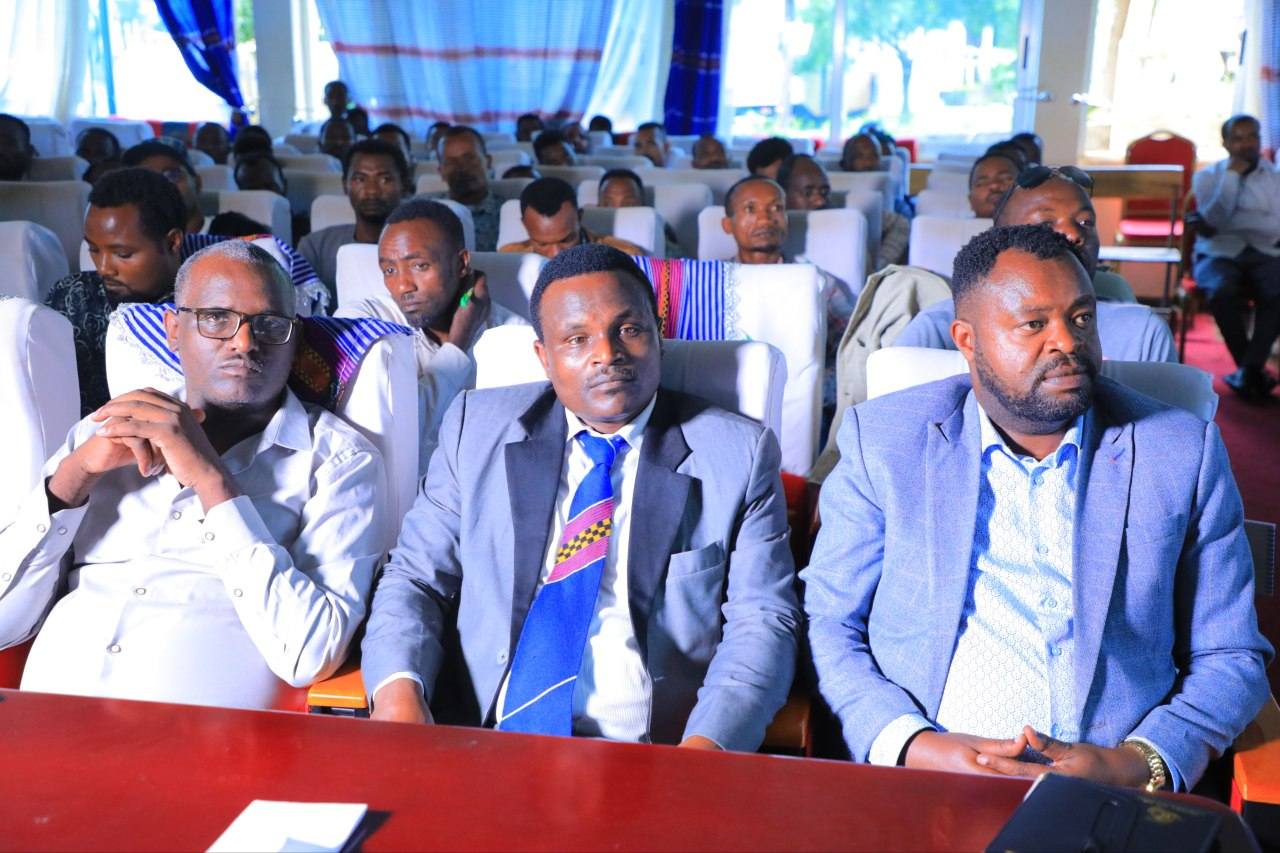

DILLA, ETHIOPIA — As part of an ongoing commitment to accelerate the elimination of TB across high-burden areas, the Gedeo Zone Health Department, in collaboration with REACH Ethiopia, successfully conducted a comprehensive nine-month TB Program Performance Review Meeting from May 16–17, 2026, in Dilla town.
The review meeting, organized through a cost-sharing approach with the Zonal Health Office, brought together primary healthcare unit (PHCU) directors, hospital CEOs, woreda health office heads, and regional managers to evaluate the impact of the US Government -supported Urban TB LON II / SWIF-TB Initiative.
Driving Innovation and Achieving Performance Targets
Over the past nine months, targeted interventions successfully detected 3,176 all-form TB cases, achieving 83% of the annual target for the zone. Driven by rigorous hotspot and Key and Vulnerable Population (KVP) mapping—reaching more than 638,000 individuals—the program achieved 95% TB treatment success rate. Additionally, both TB/HIV testing and Drug Susceptibility Testing (DST) coverage reached 90%.
A major driver of these results is the deployment of cutting-edge tech, including Artificial Intelligence (AI)-supported digital chest X-rays, GeneXpert diagnostics, and reliable solar energy solutions backstopping critical laboratory sites.
Speaking to local press, Mr. Andualem Mamo, Head of the Gedeo Zone Health Department, underscored the significance of these modern implementations:

“Because TB is a disease that spreads rapidly if the necessary precautions are not taken, intensive work is being done across the zone to control its transmission. This includes deploying GeneXpert and X-ray machines alongside AI technology to conduct rapid screenings, initiate immediate treatment for those who test positive, and closely monitor those already in care.”
Regional Context and Child-Centric Interventions
Despite significant strides, geographic data signals that the broader region remains highly vulnerable. Mr. Gosa Girma, Urban TB LON II Project Hawassa Field Office Regional Cluster Manager for REACH Ethiopia, shed light on the geographical focus required to truly halt the disease:

“Significant focus is being placed nationally and zonally on reducing the spread of TB. However, Gedeo, West Guji, and Borena zones, alongside the Sidama region, remain on the ‘red line’ (high-burden hotspots).”
To expand protection to the most vulnerable, the partnership has introduced transformative, non-invasive screening mechanisms for pediatric care. Mr. Gosa highlighted a major diagnostic milestone in the zone:
“The introduction of identifying TB in children under five years of age through stool testing will have a profound impact on our collaborative efforts to curb transmission.”
Key Programmatic Milestones
| Performance Indicator | Achievement / Coverage |
| All-Form TB Cases Detected | 3,176 cases (83% of annual target met) |
| Treatment Success Rate | 95% |
| TB/HIV Testing Coverage | 90% |
| Drug Susceptibility Testing (DST) | 90% |
| Vulnerable Individuals Mapped | Over 638,000 |
Tackling Gaps with Grassroots Engagement
While clinical indicators remain strong, stakeholder discussions candidly addressed existing programmatic gaps. Challenges include inconsistent data quality, low contact investigation rates, and occasional supply chain shortages of diagnostic laboratory reagents and primary TB medications.
Addressing the threat of drug-resistant strains, Mr. Tesfaye Gedecho, Deputy Head of the Zonal Health Department, explained:

“By raising community awareness to ensure that TB patients properly adhere to and complete their medical courses, we are working diligently to prevent the emergence of drug-resistant TB.”
Mr. Tesfaye further praised frontline teams while urging the public to adopt routine preventative behaviors. “Our health extension professionals and health workers are going directly down into the community to conduct active case-finding and testing. We now urge the public to practice vital preventative habits, including opening vehicle windows during public transit and maximizing ventilation at home to block transmission pathways.”
A Shared Responsibility
Community leaders and local stakeholders present at the Dilla evaluation reaffirmed their dedication to expanding local risk awareness. Speaking to reporters at the platform, community representatives Mr. Tadele Mekonnen and Mr. Kefyalew Tessema remarked:


“Over the past nine months, focused work has been done to suppress the spread of TB. Moving forward, we must work in a highly integrated manner to elevate public awareness regarding how this disease transmits.”
As the meeting concluded, stakeholders aligned on definitive action items to be executed over the remaining two months of the Ethiopian fiscal year, emphasizing enhanced public-private mix (PPM) partnerships, robust sample transportation frameworks, and continuous community-led advocacy.
⚠️ REMINDER: REACH Ethiopia reminds the public that TB is fully preventable and curable. Anyone experiencing a persistent cough lasting more than two weeks, chest pain, low-grade fevers, excessive night sweats, or unexplained weight loss should immediately visit their nearest public health facility for free screening and care.